
📅 Last updated: 09.07.2026
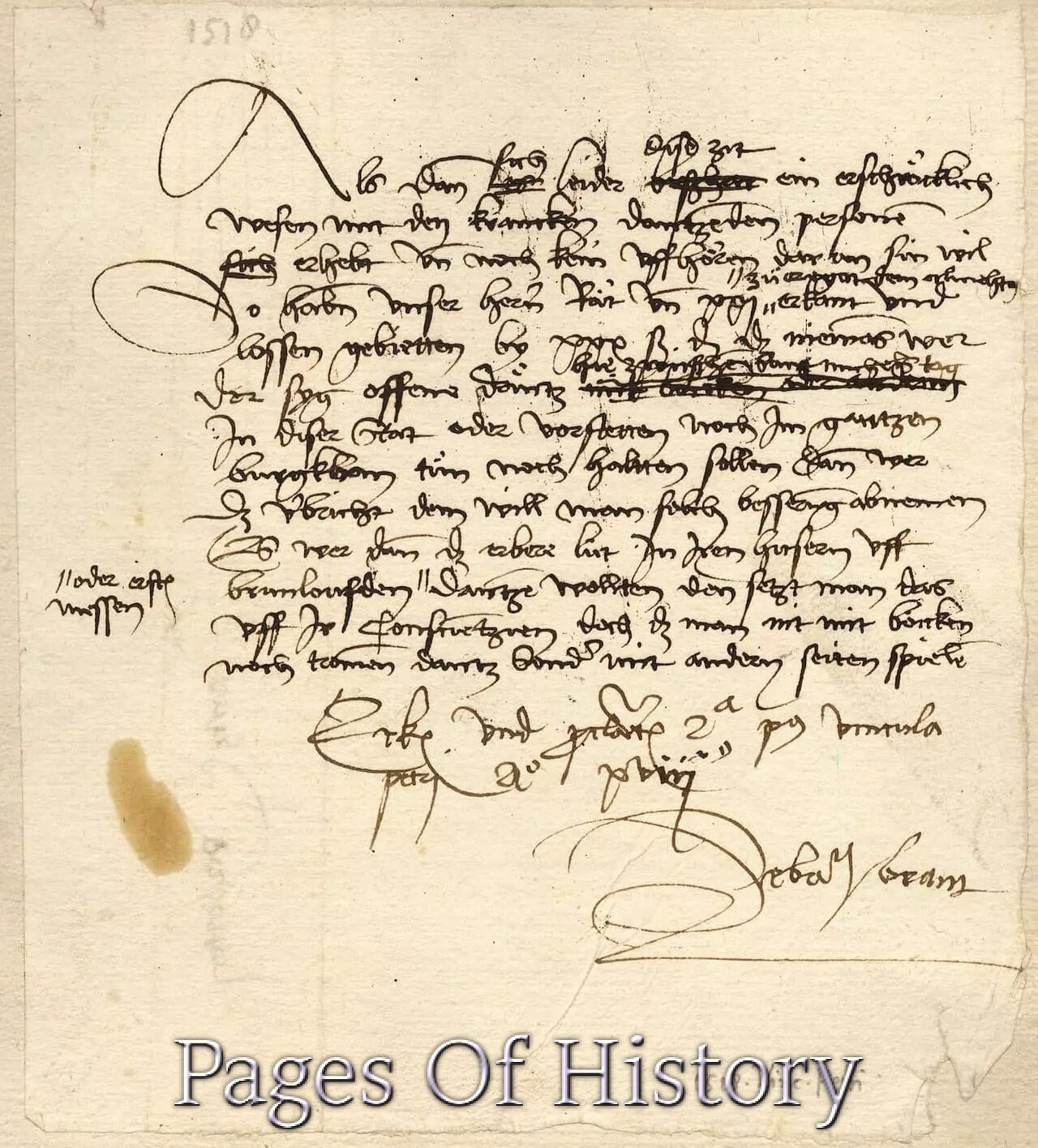
In the summer of 1518, the streets of Strasbourg, then a free imperial city of the Holy Roman Empire, became the stage for one of history’s most bizarre and terrifying phenomena: the Dancing Plague 1518. It began with a single woman, Frau Troffea, stepping outside her home and beginning to dance—not with joy, but with a frantic, unceasing compulsion that would, within a week, draw dozens of others into her thrall. Within a month, hundreds of people were dancing uncontrollably in the city’s streets and squares, collapsing from exhaustion, some even dying from heart attacks, strokes, or sheer physical breakdown. This was no celebration; it was a collective mania of such intensity that it left contemporary chroniclers and modern historians alike searching for explanations, a grim reminder of how the human mind can fracture under the weight of extraordinary stress.
- The Outbreak: From One Woman to a City in Frenzy
- The Broader Historical Context: A World on the Brink
- Modern Medical and Historical Analysis: Mass Psychogenic Illness
- The End of the Dance and Its Immediate Aftermath
- Legacy and Historical Significance: More Than a Curiosity
- Conclusion: The Enduring Grim Truth
The Outbreak: From One Woman to a City in Frenzy
The accepted historical account pinpoints the start of the Dancing Plague 1518 to July 14, 1518, in Strasbourg. Frau Troffea, a woman whose first name history has largely lost, began a solitary, silent, and vigorous dance in the narrow cobblestone street. She did not stop. She danced for four to six days without rest, her movements growing more erratic and desperate. By the end of the first week, she was joined by approximately thirty other people. By the end of the month, the number had swelled to over 400 individuals.
The dancers were not a homogeneous group. They included men and women, young and old, the poor and the relatively well-off. They danced in the streets, in the city squares, and eventually, in designated halls like the public granary, the Dreizehnhauss, which was converted into a makeshift hospital. The dancing was not rhythmic or musical; it was described as a violent, jerking, and convulsive movement, often accompanied by screaming, crying, and foaming at the mouth. Dancers would fall to the ground, only to rise again and continue. Their feet became bruised and bloody. Some suffered broken bones. The city magistrates, the clergy, and the physicians were utterly baffled.
Contemporary Explanations: Saints, Demons, and Humors
The immediate response of the authorities was a mixture of fear and religious fervor. The most popular explanation at the time was that the dancers were cursed by a saint—most commonly Saint Vitus, the patron saint of dancers, epileptics, and those afflicted with nervous disorders. The condition was often called St. Vitus’ Dance (Chorea Sancti Viti). The prescribed cure was more dancing. The city council, following the advice of local physicians, decided that the only way to purge the demonic or humoral imbalance was to let the dancers dance it out. They hired musicians to accompany them, believing that rhythmic music might help regulate their movements and that a controlled environment would prevent further chaos. They even built a wooden stage in the city’s main square to encourage the afflicted to dance in one place.
This “cure” was a catastrophic failure. Instead of calming the mania, the music and the spectacle of hundreds dancing together only amplified the contagion. The number of afflicted continued to rise. Some chroniclers reported that the dancing was so intense that people died from exhaustion, heart attacks, and strokes. The documented death toll varies, but it is clear that dozens, perhaps over a hundred, perished during the peak of the outbreak. The grim spectacle was described in the city records of the time, which noted that the dancers “danced day and night” until they “fell down dead.”
The Broader Historical Context: A World on the Brink
To understand the Dancing Plague 1518, one must look beyond the streets of Strasbourg and into the wider world of early 16th-century Europe. This was an era of profound and often terrifying change. The medieval certainties were crumbling. The Reformation, which would tear Christendom apart, was just a year away (Luther’s Ninety-five Theses were nailed to the door in 1517). The peasantry, burdened by feudal obligations, poor harvests, and rising taxes, was simmering with discontent that would explode in the German Peasants’ War of 1524-1525.
Strasbourg itself was a wealthy, bustling city, but it was not immune to the pressures of the age. The years leading up to 1518 were marked by a series of catastrophic events:
- Famine and Crop Failure: A series of severe winters and cold, wet summers had led to widespread crop failures across the Rhineland. The years 1516 and 1517 saw particularly poor harvests, leading to soaring bread prices and widespread hunger.
- Disease: The region was repeatedly ravaged by outbreaks of plague, leprosy, and syphilis, which had been devastating Europe for decades. The fear of disease was a constant, oppressive presence.
- Social and Economic Strife: The city was riven by tensions between the guilds and the patrician class. The poor were growing poorer, and the gap between the wealthy merchants and the struggling artisans and laborers was widening.
- Religious Anxiety: The Church, rife with corruption and abuse, was losing its moral authority. The fear of hell, damnation, and demonic influence was intense. Apocalyptic prophecies were common, and many believed the end of the world was near.
This was the tinderbox. The dancing plague was the spark. It was not a random, inexplicable event; it was a collective psychological response to a society under extreme duress. The human brain, when faced with overwhelming stress, hunger, and fear, can produce extraordinary and terrifying symptoms.
Modern Medical and Historical Analysis: Mass Psychogenic Illness
Today, the leading explanation for the Dancing Plague 1518 is mass psychogenic illness (MPI), also known as mass hysteria. This is a phenomenon in which a group of people, often in a closed or high-stress environment, develop physical symptoms with no identifiable organic cause. The symptoms are transmitted through sight, sound, and social suggestion, often spreading like a contagion through a community.
The conditions in Strasbourg were a textbook recipe for MPI. The population was malnourished, terrified, and living in a state of chronic anxiety. When Frau Troffea began her dance, she provided a visible, dramatic, and socially acceptable outlet for the collective stress. Her convulsive, uncontrolled movements were a physical manifestation of the psychological torment that hundreds of others were silently suffering. Watching her, and then others, the afflicted found a way to externalize their internal pain.
The Role of Ergotism: A Fungus Among Us?
Another popular, though now largely discounted, theory involves ergotism. Ergot is a fungus that grows on rye and other grains, particularly in wet, cold weather. Ingesting ergot-contaminated bread can cause a condition known as St. Anthony’s Fire, which has two forms: one causing gangrene and the other causing convulsions, hallucinations, and muscle spasms. The symptoms of convulsive ergotism—twitching, jerking, and psychotic episodes—do bear a superficial resemblance to the dancing mania.
However, the ergotism theory has significant weaknesses. Ergotism is rarely, if ever, contagious. It does not spread from person to person through observation, as the dancing plague clearly did. Furthermore, the symptoms of ergotism are typically more systemic and painful, involving severe burning sensations, vomiting, and diarrhea, which were not prominently reported in Strasbourg. While ergotism may have contributed to the general misery and neurological vulnerability of the population, it is widely considered an insufficient explanation for the highly specific, social, and contagious nature of the dancing mania itself.
Why the “Cure” Made It Worse
The city’s response—encouraging more dancing with music and a public stage—is a classic case of how well-intentioned interventions can exacerbate a psychogenic outbreak. In MPI, the symptoms are often reinforced by social attention and validation. By building a stage, hiring musicians, and making the dancers the center of a public spectacle, the city authorities effectively legitimized and encouraged the behavior. The dancers were no longer isolated individuals suffering in silence; they were part of a community of suffering, a collective performance that amplified the underlying stress and gave it a powerful, visible form.
| Factor | Impact on the Dancing Plague 1518 |
|---|---|
| Severe Famine (1516-1517) | Created widespread malnutrition, physical weakness, and psychological vulnerability. |
| Bubonic Plague & Syphilis | Heightened fear of death, disease, and divine punishment. Normalized the idea of sudden, unexplained affliction. |
| Religious Anxiety | Provided a framework for understanding the mania (demonic possession, St. Vitus’ curse) and a “cure” (more dancing). |
| Social & Economic Tension | Created a deep well of unexpressed frustration and hopelessness, especially among the lower classes. |
| City’s “Cure” (Music & Stage) | Unintentionally validated and amplified the behavior, turning a private symptom into a public spectacle and accelerating contagion. |
The End of the Dance and Its Immediate Aftermath
The dancing plague did not last forever. By late August or early September of 1518, the frenzy began to wane. The authorities, having seen the failure of their initial “cure,” changed course. They banned public dancing, closed the public granary, and began a program of religious intervention. The dancers were taken to the shrine of Saint Vitus in the nearby town of Zabern (Saverne) to be exorcised and to receive a blessing. Those who were deemed “cured” were sent home, while others were isolated and given strict religious penances.
The official records of the city council, the Strasburger Chronik, note that the dancers were eventually “cured” through a combination of prayer, fasting, and isolation. The mania did not simply disappear overnight, but the combination of removing the social reinforcement (the public stage and music) and providing a powerful religious counter-narrative (the pilgrimage and exorcism) broke the cycle. The last known cases were reported in early September. The city had survived, but the memory of the event would linger for centuries.
Legacy and Historical Significance: More Than a Curiosity
The Dancing Plague 1518 is not merely a bizarre footnote in history. It is a powerful case study in the intersection of psychology, sociology, and history. It forces us to confront the limits of our understanding of the human mind and the profound ways in which our environment can shape our behavior, even to the point of collective breakdown.
It was not an isolated event. Similar outbreaks of dancing mania had been recorded throughout the Middle Ages, most notably in the 13th and 14th centuries. The 1518 outbreak is simply the most famous and best-documented example. These events occurred across Europe, from Italy to the Low Countries, often in times of great social and economic stress. They were a symptom of a sick society, a cry of collective despair that found expression not in words, but in the frantic, silent language of the body.
Lessons for the Modern World
The story of the dancing plague resonates far beyond the 16th century. Mass psychogenic illness is not a relic of the past. It continues to occur in the modern world, often in schools, factories, and other closed communities under stress. The symptoms change with the times—conversion disorders, fainting spells, and even “mass hysteria” involving unexplained rashes or nausea—but the underlying mechanism is the same. The body speaks when the mind can no longer bear the burden.
The Dancing Plague 1518 also offers a stark warning about the power of collective belief and social contagion. In an age of viral misinformation and online echo chambers, the ability of a single, compelling idea or image to spread through a population with the speed and force of a contagion is more relevant than ever. The dancers of Strasbourg were not acting irrationally in a vacuum; they were responding to a world that had become, for them, unbearable. Their dance was a form of communication, a desperate signal that something was profoundly wrong.
Conclusion: The Enduring Grim Truth
The grim truth about the Dancing Plague 1518 is that it was not caused by a curse, a demon, or a strange fungus. It was caused by people. It was the product of a perfect storm of physical deprivation, psychological terror, and social chaos. It is a humbling reminder that the human mind, for all its resilience, has a breaking point. When the world becomes too frightening, too unjust, too hungry, and too hopeless, the body can revolt in the most unexpected and terrifying ways.
The dancers of Strasbourg were not mad. They were not possessed. They were, in a very real sense, the canaries in the coal mine of a society on the verge of collapse. Their dance was a symptom of a deeper sickness, a sickness that would soon erupt in the religious wars, peasant revolts, and social upheavals that would define the 16th century. To study the dancing plague is to look into a dark mirror and see not a bizarre anomaly, but a profound and unsettling truth about the human condition: that under enough pressure, any of us can break, and our breaking can take forms that defy reason, medicine, and history itself.