
📅 Last updated: 07.09.2026
The question of how the Pompeii victims died has haunted historians, volcanologists, and archaeologists for nearly two millennia, ever since the catastrophic eruption of Mount Vesuvius in 79 CE entombed an entire Roman city in a shroud of ash and pumice. For generations, the standard narrative was as visceral as it was simple: the inhabitants of this prosperous Campanian port city were asphyxiated by toxic gases and suffocating ash, their bodies frozen in time by the subsequent pyroclastic surges that buried the town. Yet, recent interdisciplinary research—combining forensic archaeology, plaster cast analysis, and advanced CT scanning—has radically rewritten this grim story. The new findings suggest that the primary cause of death for a significant portion of the populace was not slow suffocation, but a rapid, brutal, and instantaneous demise caused by extreme heat, a discovery that has profound implications for our understanding of the eruption’s final, lethal phase and the physical suffering of its victims. The reality of the Pompeii victims death is proving to be far more complex, and far more terrifying, than the quiet, ash-choked slumber depicted in earlier historical accounts.
- Rethinking the Narrative: From Suffocation to Thermal Shock
- The Case of Herculaneum: A Crucial Turning Point
- New Findings in Pompeii: The CT Scan Revolution and the "Casting" Project
- Reconstructing the Eruption Timeline: The Deadly Sixth Surge
- The "Bodies" of Pompeii: A Forensic Re-Examination of the Casts
- The Role of Temperature: Quantifying the Lethal Surge
- Why This New Research Matters: Implications for Modern Volcanology
- Conclusion: A Death of Fire, Not Air
Rethinking the Narrative: From Suffocation to Thermal Shock
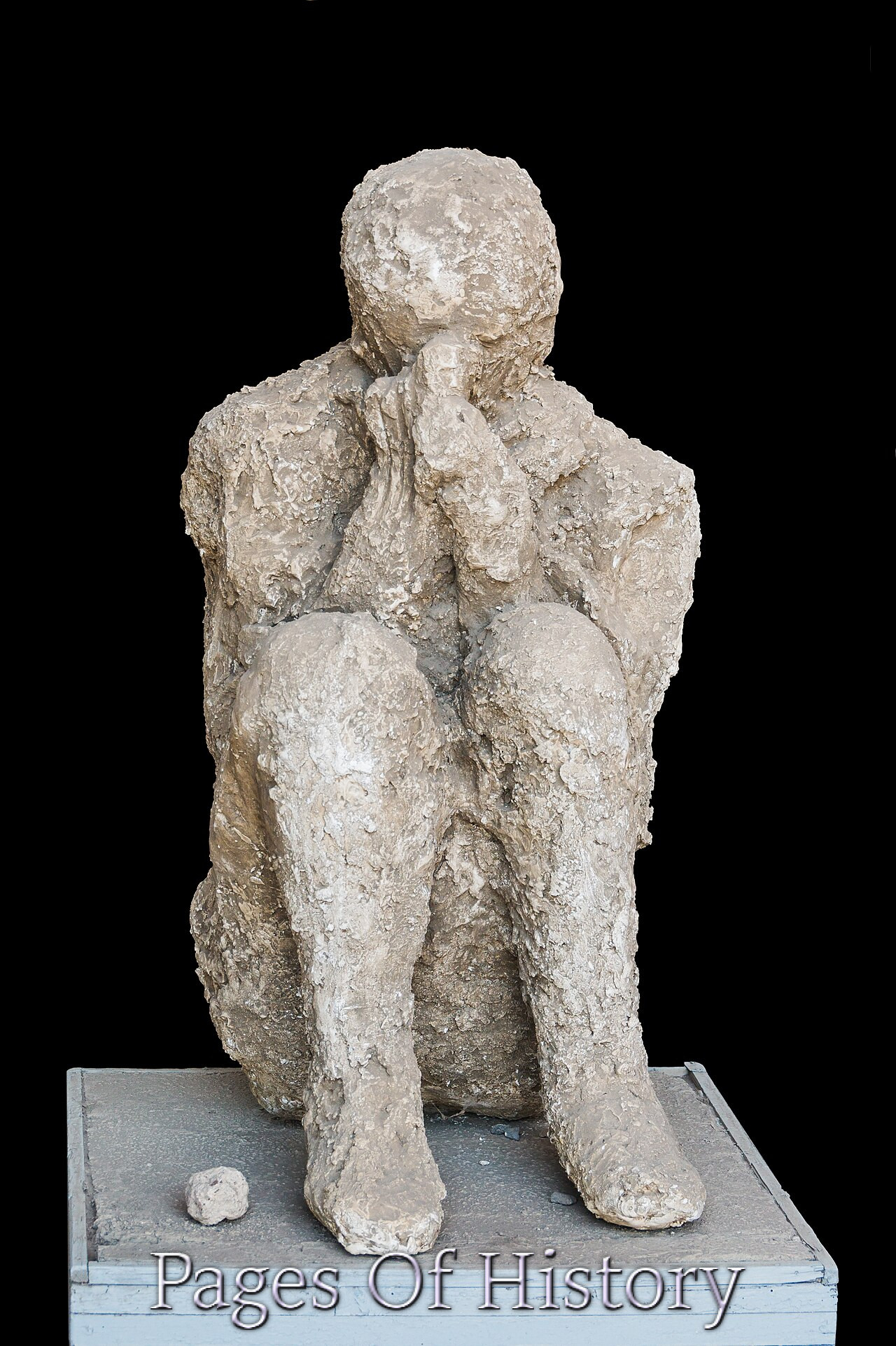
The traditional theory, popularized in the decades following the first systematic excavations in the 1860s by Giuseppe Fiorelli, posited that the victims suffocated under the weight of falling pumice and ash. This was a logical assumption, as the initial phase of the eruption, known as the Plinian phase, did indeed rain down a relentless torrent of pumice lapilli for roughly 18 hours. This layer, which reached depths of up to 2.8 meters in some areas, caused roofs to collapse and trapped those who had not fled in their homes and cellars. According to this old model, these trapped individuals eventually ran out of breathable air, inhaling fine ash until their lungs filled and they died of asphyxiation. The plaster casts made by Fiorelli and his successors, which revealed contorted bodies with mouths open in a silent scream, seemed to support this theory—the open mouths were interpreted as a desperate, futile gasping for air.
However, this interpretation conflicted with the physical evidence found in the casts. If victims had suffered a slow death by suffocation, their bodies would likely show signs of prolonged struggle, such as attempts to cover their mouths or frantic scrambling. While some casts do show this, many others exhibit poses that are far more rigid, with limbs contracted in a manner that pathologists associate with extreme, sudden muscle spasms—a hallmark of death by intense heat. The “pugilist” pose, where the body’s flexor muscles contract, drawing the arms and legs into a tight, defensive posture, is a classic sign of severe thermal injury, not a slow gasping death. This discrepancy was the first clue that the old narrative was incomplete, suggesting that the Pompeii victims death was not a singular event but a series of distinct tragedies driven by different volcanic phenomena.
The Case of Herculaneum: A Crucial Turning Point
The most compelling evidence for the thermal shock theory did not come from Pompeii itself, but from its wealthier, seaside neighbor, Herculaneum. When the eruption began, many Herculaneans, perhaps as many as 300, gathered on the ancient beach and in the stone boat chambers (fornici) along the shoreline, hoping for a maritime escape. They were not killed by the initial pumice fall, which was less severe there, but by the first of the deadly pyroclastic density currents (PDCs) that began to surge down the volcano’s slopes later in the day.
In the 1980s and 1990s, excavations in these fornici revealed over 300 skeletons in a remarkable state of preservation. Crucially, they were not covered by thick pumice but by fine, hardened ash. For decades, scientists assumed these victims had died of asphyxiation from the hot ash and gas within the surge. But this theory was shattered in 2001 by a landmark study led by volcanologist Giuseppe Mastrolorenzo of the Italian National Institute of Geophysics and Volcanology (INGV).
Mastrolorenzo and his team conducted a meticulous analysis of the skeletal remains and the deposits surrounding them. Their findings were stunning. They discovered that the bones showed evidence of cadaveric spasm and that the soft tissues had been vaporized so rapidly that the skulls had undergone explosive cracking due to the boiling of intracranial fluids. Furthermore, the team calculated the temperature of the initial PDC to have been a staggering 400°C to 500°C (752°F to 932°F). At such temperatures, death would be virtually instantaneous. A person would not suffocate; they would be flash-fried. The heat would cause their blood to boil, their internal organs to burst, and their flesh to vaporize in a matter of seconds. The victims in Herculaneum’s boat houses did not die slowly; they died in the blink of an eye, a fate so swift that they had no time to register pain.
The Vaporization of Soft Tissue
This radical hypothesis was supported by the physical condition of the Herculaneum skeletons. Unlike bones that have been slowly stripped of flesh by decomposition, these bones showed a distinctive, glossy, blackened appearance—a sign of rapid burning. More tellingly, the position of the skeletons suggests they were not struggling. Many are found in relaxed or contorted positions, but without the frantic disarray one would expect from a prolonged death struggle. The extreme heat of the surge, which Mastrolorenzo dubbed a “pyroclastic blast,” effectively sterilized the area, and the bodies were so thoroughly baked that their organic matter was destroyed in an instant, leaving behind only the inorganic mineral structure of the skeleton. This evidence provided a stark and compelling counterpoint to the idea of slow asphyxiation, proving that the Pompeii victims death in Herculaneum was a high-temperature event.
New Findings in Pompeii: The CT Scan Revolution and the “Casting” Project
For years, the challenge for researchers studying Pompeii was that the famous plaster casts, while visually arresting, obscured the very bones they contained. The plaster filling the voids left by decomposed bodies made it impossible to study the skeletal remains without destroying the casts. This changed in the 21st century with the advent of portable CT scanning technology. In 2015, a major project spearheaded by the Archaeological Park of Pompeii and the University of Naples L’Orientale began a systematic CT scan of 86 of the most well-known casts. This non-invasive technique allowed researchers to peer through the plaster and analyze the bones within, providing a direct window into the health, age, and, most importantly, the cause of death of the victims.
The results, published in Antiquity and other journals, have been transformative. The scans confirmed that the poses of many victims were indeed consistent with thermal shock. For example, the famous “Muleteer” or the “Man with the Bandaged Head” were found to have contracted limbs and other skeletal signs of heat-related trauma. But the CT scans also revealed something more nuanced: the Pompeii victims death was not a one-size-fits-all event. The scans showed a diverse population with varying states of health, from robust adults to children with evidence of childhood malnutrition, and they allowed researchers to differentiate between those who died in the initial pumice fall (from building collapses) and those who died in the later PDCs.
Evidence of Head Trauma and Building Collapse
One of the most significant new findings from the CT scan project was the identification of victims who clearly died from blunt force trauma. The scans of several casts showed severe skull fractures and crushed rib cages, injuries inconsistent with a thermal event. These individuals were almost certainly killed during the first phase of the eruption when roofs, overloaded with pumice, collapsed on top of them. This provides a crucial distinction: while the PDCs were the great equalizer, killing everyone in their path regardless of location, the early phase was a more selective killer, targeting those who sought refuge indoors. The new research paints a picture of a multi-stage catastrophe where the cause of death depended entirely on the timing and location of the victim.
Furthermore, the project’s analysis of the chemical composition of the bones within the casts has provided data on the temperature they were exposed to. By analyzing the crystallographic structure of the bone mineral (hydroxyapatite), researchers can estimate the maximum temperature reached. Many of the casts from the final, lethal phase of the eruption showed evidence of exposure to temperatures exceeding 250°C, with some reaching up to 300°C or more. These temperatures are high enough to cause the collagen in bones to denature and shrink, leading to the characteristic contraction of the limbs. This is not a slow process; it is a violent, physical reaction to extreme heat.
Reconstructing the Eruption Timeline: The Deadly Sixth Surge
The new understanding of the victims’ deaths is inextricably linked to a more precise reconstruction of the eruption’s timeline. The eruption of Vesuvius on August 24, 79 CE (though recent evidence, such as a carbonized coin and the discovery of autumnal fruits like pomegranates, suggests a later date, possibly October 24th) was a complex, multi-phase event. For the first 18 to 20 hours, the volcano was in its Plinian phase, ejecting a towering column of ash and pumice that drifted southeast, burying Pompeii in a blanket of lapilli. This was a terrifying but survivable event for those who could find shelter or flee.
The fatal turning point came with the onset of the Peléan phase, named after the 1902 eruption of Mount Pelée. This phase was characterized by the collapse of the eruption column, generating a series of fast-moving, ground-hugging clouds of superheated gas, ash, and rock—the PDCs. The first of these surges was relatively small and did not reach Pompeii, but it was this surge that destroyed Herculaneum. However, it was the sixth surge, which occurred during the night or early morning of the second day, that delivered the coup de grâce to Pompeii. This surge was massive, powerful, and hot enough to level walls and instantly kill any living being in its path. It was this surge, and the seventh that followed, that created the majority of the casts we see today.
This timeline is critical to understanding the Pompeii victims death. It shows that the people of Pompeii who stayed behind were not simply passive victims of a single, overwhelming event. They survived the initial pumice fall, only to be killed by a later, far more destructive phenomenon. The psychological terror of hearing the volcano, experiencing the earthquakes, and watching their city be buried in pumice for nearly a full day, only to be annihilated by a silent, invisible, and impossibly hot cloud of gas, is a testament to the sheer power of nature.
“The death of the inhabitants of Pompeii and Herculaneum was not due to asphyxiation alone. The thermal shock caused by the pyroclastic surges was the primary agent of death, a fact that transforms our understanding of the final moments of these ancient cities.”
— Summary of findings from the 2015 CT Scan Project, Archaeological Park of Pompeii
The “Bodies” of Pompeii: A Forensic Re-Examination of the Casts
The plaster casts are not simply replicas of bodies; they are the negative space left behind by the victims’ flesh after it decayed. When a body was covered by the wet ash of a PDC, the ash hardened around it, forming a solid mold. Over time, the organic matter of the body decomposed, leaving a hollow cavity. Fiorelli’s genius was to inject liquid plaster into these cavities, creating a perfect three-dimensional sculpture of the victim at the moment of death. These casts are, in a very real sense, the ultimate forensic evidence—a snapshot of a person’s final pose.
The CT scans of these casts have allowed forensic anthropologists to study the skeletal trauma in detail. One of the most striking findings is the prevalence of heat-induced fractures on the skulls, known as “explosion fractures.” These occur when the brain and cerebrospinal fluid heat up so rapidly that they vaporize, causing a sudden increase in intracranial pressure that cracks the skull from the inside out. This is a definitive sign of exposure to extreme, sudden heat, and it has been found in a significant number of the casts examined. This physical evidence moves the debate from theoretical speculation to empirical fact, confirming that the Pompeii victims death was a hyperthermal event for many.
Distinguishing Between the Types of Victims
Through this forensic lens, researchers have been able to categorize the victims into distinct groups, each with a different cause of death. This nuance is crucial for a true understanding of the tragedy.
- Victims of Building Collapse: These individuals, often found deeper in the stratigraphic layers, show signs of crush injuries from falling masonry and pumice-laden roofs. They died during the first 18 hours of the eruption. Their deaths were likely quick but painful, a result of blunt force trauma.
- Victims of Asphyxiation: Some individuals, perhaps those in more sheltered locations or who were exposed to the less dense, cooler fringes of the early surges, may have died from inhaling hot ash and gas. This group is smaller than previously thought, but the evidence of fine ash in the airways of some casts suggests it was still a factor, particularly for those in the upper floors of buildings who were caught in the initial ash clouds.
- Victims of Thermal Shock (The Majority): This is the largest and most significant group. These victims, found in the uppermost layers of ash, were killed by the sixth and seventh PDCs. Their bodies exhibit the characteristic signs of rapid, extreme heat exposure: contracted limbs, exploded skulls, and the vaporization of soft tissue. They did not suffer; they were annihilated in seconds.
This new classification is a radical departure from the old “all-suffocated” narrative. It paints a far more dynamic and violent picture of the eruption’s final hours, where the primary killer was not a lack of oxygen, but an overwhelming, inescapable wall of heat.
The Role of Temperature: Quantifying the Lethal Surge
The work of Mastrolorenzo and others has been pivotal in quantifying the lethal temperatures of the surges. By analyzing the magnetic properties of the ash deposits and the thermal alteration of building materials, such as the discoloration of plaster and the melting of glass and metal objects, they have been able to map the temperature gradients of the PDCs. The results show that the surges that hit Pompeii were significantly hotter than those that hit Herculaneum, with temperatures in some areas of Pompeii reaching up to 700°C (1,292°F). At these temperatures, human flesh is not just burned; it is incinerated.
To put this in perspective, the temperature of the 79 CE surge is comparable to that of a cremation chamber. The human body begins to suffer severe damage at temperatures above 40°C (104°F). At 100°C (212°F), water boils. At 300°C (572°F), organic materials like wood and flesh ignite. At 500-700°C, the body’s proteins denature instantly, and the skeleton itself begins to calcinate. The speed of the surge is also a critical factor. A PDC can travel at speeds of over 100 km/h (60 mph). The combination of this extreme velocity and extreme heat means that the human body is enveloped in a lethal environment before the nervous system can even register the threat, making death instantaneous.
| Phase of Eruption | Approximate Date/Time | Primary Hazard | Primary Cause of Death | Temperature Range |
|---|---|---|---|---|
| Plinian Phase | First 18-20 hours (Aug 24) | Falling Pumice & Ash | Building Collapse / Crush Injury | Ambient (up to 300°C for air-fall) |
| Early PDCs (Surges 1-5) | Late Day 1 / Early Day 2 | Hot Ash & Gas (Surge) | Asphyxiation & Thermal Shock (Herculaneum) | 400°C – 500°C |
| Fatal PDCs (Surges 6-7) | Day 2 (Morning) | Dense, Superheated PDC | Instant Thermal Shock / Vaporization | 500°C – 700°C |
Why This New Research Matters: Implications for Modern Volcanology
Understanding the true cause of the Pompeii victims death is not merely an academic exercise in historical forensics. It has profound and life-saving implications for modern volcanic hazard assessment. Vesuvius is still an active volcano, and it is considered one of the most dangerous in the world due to the 3 million people living in its immediate vicinity, including the bustling city of Naples. The Italian government has a detailed emergency plan for a potential eruption, which focuses on the evacuation of the “Red Zone” in the event of precursors like seismic swarms or ground deformation.
The new findings about the lethality of PDCs have forced volcanologists to re-evaluate the danger these flows pose. Previously, the threat was primarily seen as one of burial and asphyxiation, which might allow for a slightly larger margin of error in evacuation timing. The current understanding, however, is far more sobering. A PDC is not a creeping lava flow; it is a high-speed, high-temperature hurricane of death. The research from Pompeii shows that once a PDC is generated, there is virtually no chance of survival for anyone in its path. The “safe zone” must be far larger and the evacuation triggers must be far more sensitive than previously thought.
This research also informs the design of shelters and safe rooms. While a sturdy building might protect against falling pumice, no standard building can withstand the temperatures of a major PDC. The heat alone would incinerate anyone inside, turning the structure into an oven. The findings from Pompeii have therefore been integrated into modern volcanic crisis management, emphasizing that the only effective mitigation strategy is proactive evacuation, not reactive sheltering. The tragedy of 79 CE serves as a timeless, empirical warning about the awesome and unforgiving power of pyroclastic flows.
Conclusion: A Death of Fire, Not Air
The new findings regarding the Pompeii victims death have fundamentally altered our perception of the disaster, shifting the focus from a silent, suffocating end to a violent, thermal one. The image of the Pompeian victims quietly choking on ash is being replaced by a more accurate, if more horrific, picture: a population that endured hours of terror during the pumice fall, only to be erased in a fraction of a second by a wall of superheated gas and rock. The CT scans, the skeletal analysis, and the thermal mapping have converged to prove that the final, fatal surges were so hot that they boiled blood, vaporized flesh, and cracked skulls, killing their victims faster than they could even register their own demise.
This re-evaluation is a powerful reminder that history is not a static narrative but a dynamic discipline, constantly refined by new technologies and new questions. The plaster casts that have captivated the world for over a century are not just poignant memorials to a lost civilization; they are complex forensic data sets, waiting to be unlocked. The victims of Pompeii died with the Roman world around them, and their deaths have left an indelible mark on our collective consciousness. Yet, as we continue to probe their remains, we are not just learning about the past; we are learning about the violent forces that shape our planet and the vital importance of heeding nature’s warnings. The tragedy of Pompeii was not a death by air, but a death by fire—a distinction that is as crucial for modern science as it is for our understanding of history.